Cornwall attracts millions of visitors every year to its rugged Atlantic coastline, historic castles, and villages that still feel genuinely remote. Hoseasons properties in Cornwall lean into that geography - most are self-catering lodges or holiday parks positioned away from town centres, giving guests direct access to nature without sacrificing comfort. If you're researching where to stay in Cornwall with a Hoseasons property, this guide breaks down what each option actually offers, where it sits geographically, and which type of traveller will get the most from it.
What It's Like Staying in Cornwall
Cornwall occupies the far southwestern tip of England, and that remoteness is both its biggest draw and its most important logistical reality. Driving is essentially mandatory - public transport links between coastal villages and inland areas are sparse, and even the main rail line terminates at Penzance with limited onward connections. Crowds are heavily concentrated between late July and August, when coastal roads around Newquay, St Ives, and the Lizard Peninsula can slow to a crawl, making early-morning departures or off-peak travel essential.
Cornwall suits self-sufficient travellers who are happy to plan their days around driving distances and who want to slow down rather than tick off a list of sights. Families, couples on long weekends, and walkers doing the South West Coast Path all find genuine value here. Urban travellers expecting city-style amenities or reliable last-minute restaurant bookings may find the pace frustrating, particularly in smaller coastal parishes where shops close early and mobile signal drops.
Pros:
- Genuinely unspoilt coastline - Kynance Cove, Porthcurno, and Bedruthan Steps remain among the most dramatic in the UK
- Self-catering lodges offer significant cost savings for families staying around a week compared to hotel equivalents
- Out-of-season Cornwall (October-March) is quieter, cheaper, and still walkable along the coastal paths
Cons:
- A car is non-negotiable for most Hoseasons properties, and fuel costs across Cornwall add up over a multi-day stay
- Summer traffic on the A30 and A390 routinely adds 45 minutes or more to journeys during peak weekends
- Grocery options near rural lodges can be limited - weekly supermarket runs to Truro or Launceston are often necessary
Why Choose Hoseasons Properties in Cornwall
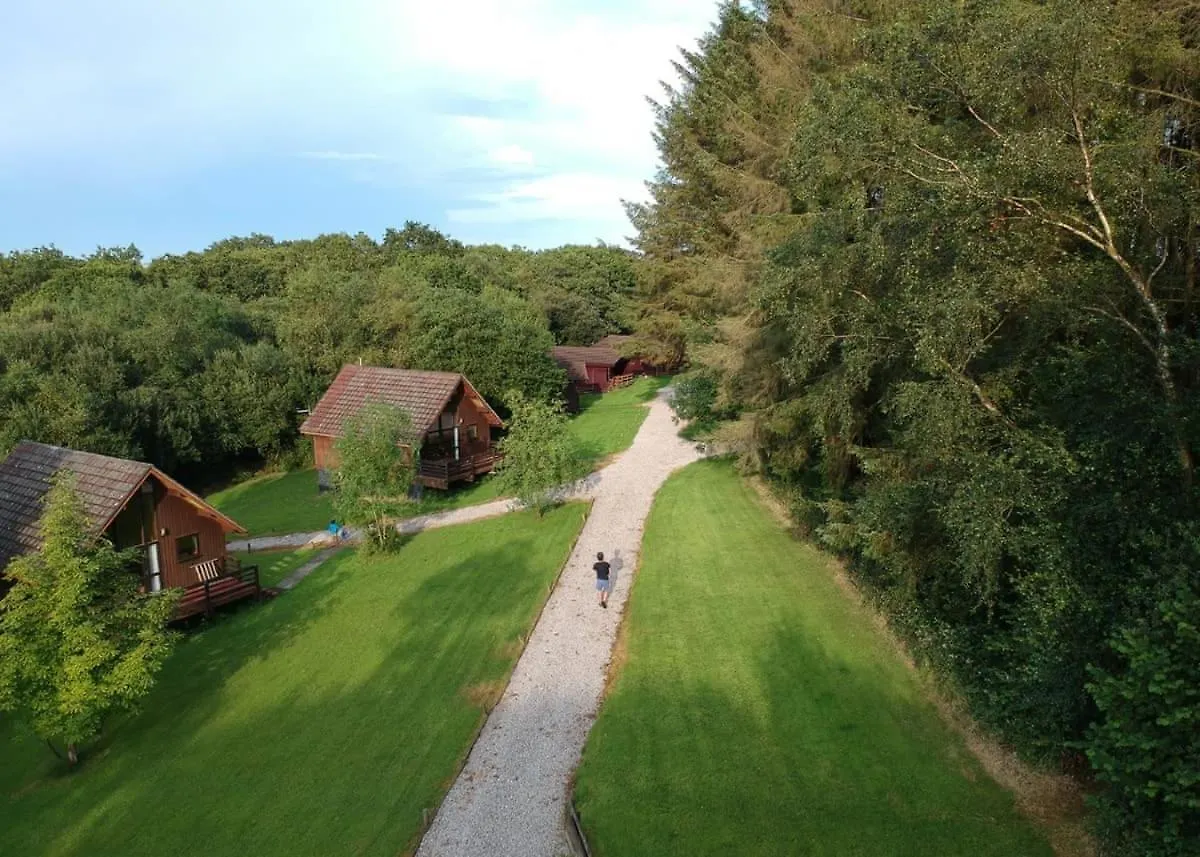
Hoseasons specialises in self-catering holiday parks and lodge retreats, which in Cornwall translates to properties that typically sit within rural or coastal settings rather than town centres. The self-catering format means you're paying for space and independence: full kitchens, private parking, and often outdoor areas or hot tubs that a standard hotel room simply cannot offer at the same price point. For a family of four, a Hoseasons lodge often works out cheaper per night than two hotel rooms, while also removing the cost of eating out for every meal.
The trade-off is that Hoseasons properties don't come with hotel-style daily housekeeping, on-site restaurants, or concierge services. You're booking a self-sufficient unit, which means shopping, cooking, and managing your own schedule. In Cornwall, where restaurant availability in rural areas is genuinely limited, this self-catering model is less of a compromise and more of a practical advantage. Most lodges include fully equipped kitchens with ovens, hobs, and dishwashers - meaning long Cornwall days on the coast don't have to end with a drive to find an open pub.
Pros:
- Full kitchen facilities make week-long stays dramatically more cost-effective than hotel-based alternatives
- Private parking included at most properties - critical given Cornwall's limited and expensive town-centre parking
- Hot tub access at select properties adds genuine leisure value without requiring a spa hotel budget
Cons:
- No daily housekeeping - changeover cleaning is typically scheduled at check-out rather than during the stay
- On-site catering is absent at most Hoseasons holiday parks, so restaurant access depends entirely on location
- Minimum stay requirements (often around 3 nights or a full week) limit flexibility for short-notice trips
Practical Booking & Area Strategy for Cornwall
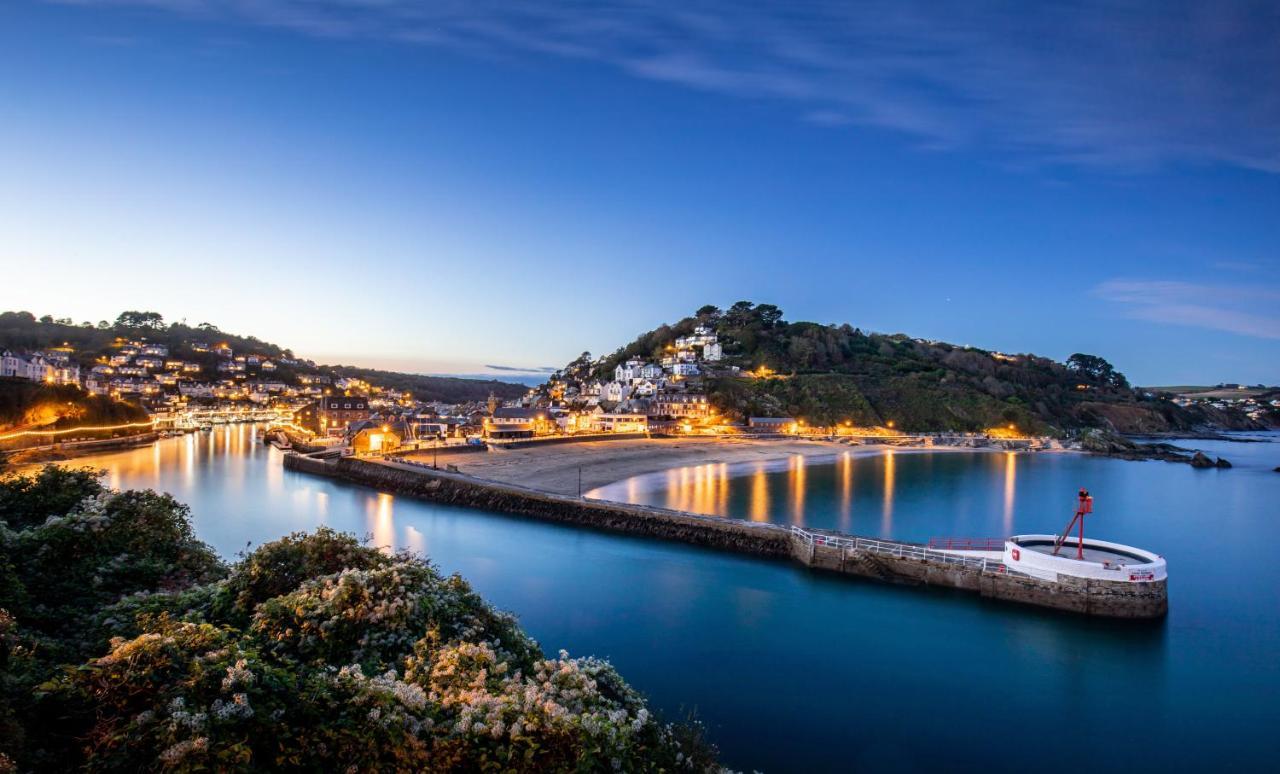
Cornwall spans over 3,500 square kilometres, and the difference between staying in the north near Bude and the south near the Lizard Peninsula is around two hours of driving. Choosing your base strategically matters. Perranzabuloe in mid-Cornwall places you roughly equidistant between Newquay, Truro, and the north coast - the most flexible positioning if you want to explore widely. Mullion and the Lizard Peninsula are better suited to guests focused on the south coast, with Kynance Cove, Lizard Point, and St Michael's Mount all within reach. For the Looe and southeast corridor, the drive to Penzance or St Ives takes around 90 minutes, so that base works best for walkers and those focused on the quieter fishing village coast. The far north at North Tamerton suits guests crossing from Devon or targeting Dartmoor and Launceston alongside Cornwall itself.
Booking well ahead is not optional in peak season - July and August Hoseasons lodges in Cornwall typically sell out weeks in advance, and last-minute availability during school holidays is almost nonexistent. The shoulder months of May, June, and September offer the best balance of weather, availability, and price. Attractions like Tintagel Castle, St Michael's Mount, and the Eden Project all operate with timed entry during summer, so pre-booking those alongside your accommodation avoids wasted drives.
Best Value Stays
These properties offer strong self-catering fundamentals with well-positioned access to Cornwall's key landscapes, at a price point suited to families and couples looking for practical comfort over premium extras.
-
1. Eastcott Lodges
Show on map


 Check-infrom 16:00 until 23:59Check-outuntil 10:00
Just a few rooms left at the best rate!
from£ 111
-
2. Perran Heights Holiday Park
Show on map


 Check-infrom 16:00 until 23:59Check-outuntil 10:00
Just a few rooms left at the best rate!
from£ 89
-
3. Looe Coastal Retreat
Show on map


 Check-infrom 16:00 until 23:59Check-outuntil 10:00
Hurry – almost gone at this price!
from£ 77
Best Premium Stay
This property stands out for its coastal positioning, kitchen specification, and proximity to some of Cornwall's most iconic natural landmarks on the Lizard Peninsula.
-
4. Mullion Cove Coastal Retreat
Show on map


 Check-infrom 16:00 until 23:59Check-outuntil 10:00
Rooms filling fast – secure the best rate!
from£ 124
Smart Travel & Timing Advice for Cornwall
The clearest booking window for Cornwall Hoseasons properties is late May to mid-June or the first two weeks of September. These shoulder periods avoid school holiday pricing surges - which can push weekly lodge rates up by around 40% compared to May equivalents - while still offering reliable daylight and warm enough weather for coastal walking and beach use. The Eden Project, Tintagel Castle, and St Michael's Mount all operate at manageable visitor volumes during shoulder season, unlike the queuing conditions typical of August.
For the Mullion and Lizard area specifically, late September remains genuinely viable - the Gulf Stream effect keeps the far south milder than the rest of England well into autumn. North Cornwall near Eastcott Lodges can see Atlantic storms from October onwards, which suits walkers who prefer dramatic seascapes but is worth factoring in for families with young children. Book at least 8 weeks ahead for any July or August stay - Hoseasons Cornwall inventory at peak school holiday dates moves quickly and last-minute availability is rare at the better-located properties.